
EICR Report Process for UK Landlords
Ensuring the safety of electrical installations in rental properties is a critical responsibility. One of the key ways to do this is through an Electrical Installation Condition Report (EICR). This report assesses the condition of electrical systems and highlights any potential hazards. Understanding the EICR report process helps landlords maintain compliance and protect their tenants.
Understanding the EICR Report Process
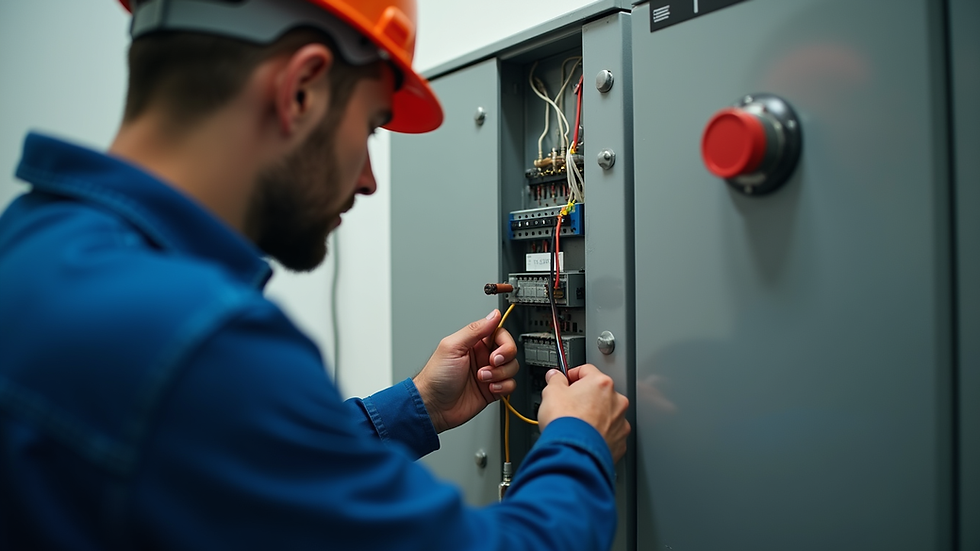
The EICR report process involves a thorough inspection of a property's electrical installations. A qualified electrician examines wiring, sockets, switches, fuse boxes, and other electrical components. The goal is to identify any damage, wear, or faults that could pose a risk.
Here’s what typically happens during the process:
Initial Booking: Arrange an inspection with a certified electrician or approved contractor.
On-Site Inspection: The electrician visits the property and conducts a detailed examination.
Testing: Various tests are performed to check the safety and functionality of electrical circuits.
Report Compilation: The electrician compiles findings into a formal report.
Recommendations: Any necessary repairs or improvements are clearly outlined.
Certification: If the installation passes, a certificate is issued confirming compliance.
The entire process usually takes a few hours depending on the size and complexity of the property. It is essential to keep the report safe as it serves as proof of compliance.
Why EICR Reports Matter for Rental Properties
Electrical safety is paramount in rental properties. Faulty wiring or outdated installations can lead to serious accidents, including fires and electric shocks. An EICR report helps landlords:
Identify Risks Early: Detect hidden faults before they cause harm.
Meet Legal Requirements: Comply with UK regulations on electrical safety.
Protect Tenants: Ensure a safe living environment.
Avoid Penalties: Prevent fines or legal action due to non-compliance.
Maintain Property Value: Well-maintained electrical systems enhance property appeal.
Regular inspections also provide peace of mind. Knowing that the electrical system is safe reduces stress and potential liability.
Is an EICR Certificate Compulsory for Landlords?
Yes, in the UK, landlords must have a valid EICR certificate for their rental properties. The government introduced regulations requiring landlords to carry out electrical inspections at least every five years. This applies to most rented properties, including houses, flats, and HMOs.
Key points to remember:
The inspection must be done by a qualified electrician.
The report should be provided to tenants within 28 days of the inspection.
Any identified issues must be addressed promptly.
Failure to comply can result in fines up to £30,000 or other enforcement actions.
This legal requirement ensures that landlords take electrical safety seriously and maintain their properties to a high standard.
How to Prepare for an EICR Inspection
Preparation can make the inspection smoother and more efficient. Here are some practical tips:
Clear Access: Ensure all electrical panels, sockets, and wiring are accessible.
Inform Tenants: Notify tenants about the inspection date and time.
Check Previous Reports: Have any past EICR reports or electrical certificates ready.
Address Minor Issues: Fix obvious problems like broken sockets or exposed wires beforehand.
Arrange for Repairs: Be ready to act quickly if the report highlights urgent repairs.
Being organised helps the electrician complete the inspection without delays and reduces the risk of additional visits.

What Happens After the EICR Report?
Once the report is complete, landlords receive a detailed document outlining the condition of the electrical installation. The report uses codes to classify issues:
C1 (Danger Present): Immediate risk, requires urgent action.
C2 (Potentially Dangerous): Needs prompt attention.
C3 (Improvement Recommended): Not dangerous but should be improved.
FI (Further Investigation Required): Additional checks needed.
Landlords should prioritise any C1 or C2 issues to ensure tenant safety. After repairs, a follow-up inspection may be necessary to confirm compliance.
It is also important to:
Keep the report for at least five years.
Provide a copy to new tenants before they move in.
Schedule the next inspection within the required timeframe.
Following these steps helps maintain compliance and protects everyone involved.
Making Compliance Simple and Stress-Free
Managing property compliance can feel overwhelming, but it doesn’t have to be. Partnering with a trusted provider who offers all necessary certifications in one place simplifies the process. This approach saves time and reduces the risk of missing important deadlines.
By staying organised and proactive, landlords can ensure their properties meet all safety standards without hassle. Regular EICR inspections are a vital part of this commitment.
For more information on how to manage your electrical safety requirements, consider consulting professionals who specialise in property compliance.
For landlords looking to understand more about the eicr report for landlords, this resource offers detailed guidance and support.
By following the EICR report process carefully, landlords can protect their investments and provide safe homes. Staying informed and compliant is the best way to avoid risks and maintain peace of mind.


